The Cost of Living Crisis Isn’t Over — Wales Is Still Feeling It
- 0 comments
- by Kaiesha Page
The Cost of Living Crisis Isn’t Over — Wales Is Still Feeling It
By Kaiesha Page
As headlines move on, households across Wales are still counting every pound
It Didn’t End — It Just Stopped Being News
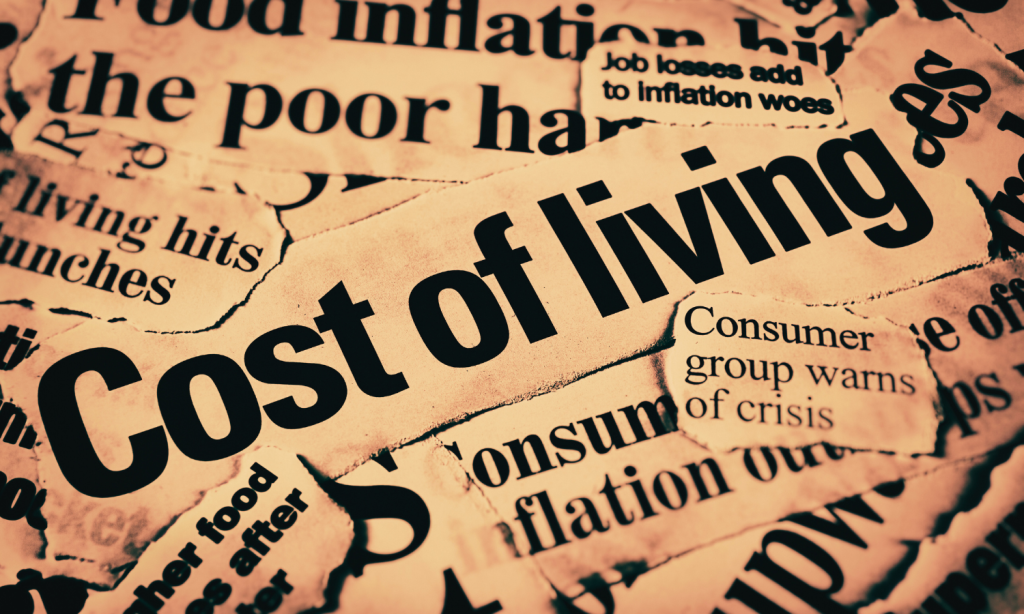
The cost of living crisis didn’t end in Wales. It simply slipped out of the headlines.
Energy bills have stabilised but not returned to pre-crisis levels. Food prices remain stubbornly high. Rent, transport, and basic household costs continue to rise in ways that outpace wages. For many people across Wales, particularly those on fixed or low incomes, “recovery” feels like a word used by someone else.
What has changed is not the pressure itself, but the public conversation around it.
When Wages Lag and Prices Stick
Wales entered the cost of living crisis from a weaker starting position than much of the UK. Average wages are lower, a higher proportion of workers are employed in the public sector, and many communities have limited access to well-paid, secure work.
Pay increases, where they have occurred, have often failed to keep pace with everyday costs. A weekly shop that once felt manageable now requires calculation. Small, once-ignored expenses have become decision points. The cumulative effect is exhaustion — financial and emotional.
Different Places, Same Strain
The crisis has not landed evenly.
In post-industrial areas, long-term economic fragility has left households with little financial buffer. In rural communities, higher transport costs and limited access to services compound the pressure. Coastal and tourist areas face rising rents and seasonal employment patterns that make stability difficult.
The geography of Wales matters here. Where you live often determines not just how much you earn, but how much it costs to exist.
Public Services Under Quiet Pressure
As household finances tighten, reliance on public services increases. But those services are under strain themselves.
Demand for food banks, mental health support, and local authority assistance remains high. Schools and healthcare providers are increasingly dealing with the knock-on effects of financial stress — from poor nutrition to burnout.
This is where the cost of living crisis becomes harder to measure, but no less real. Its impact is not always immediate or dramatic, but cumulative and corrosive.
When financial pressure becomes normalised, its damage often goes unnoticed until it is deeply embedded.
Why Wales Feels It Longer
The cost of living crisis has lasted longer in Wales not because of a single policy failure, but because of structural vulnerability.
Lower wages mean less resilience. A smaller private sector limits flexibility. A higher reliance on public spending ties household stability to political decisions made elsewhere. When inflation hits, Wales absorbs the shock for longer — and recovers more slowly.
This reality is rarely acknowledged in national debates that treat the crisis as a uniform experience.
Moving Forward Without Pretending It’s Over
The danger now is complacency. When politicians and commentators talk as though the crisis has passed, they risk disconnecting from lived reality.
Addressing the ongoing impact of rising costs in Wales will require more than short-term relief. It means confronting low pay, insecure housing, and regional inequality — problems that long predate the crisis, but have been sharply exposed by it.
Still Counting the Cost
For many households in Wales, the cost of living crisis is not a chapter that has closed. It is a condition they are still managing, day by day.
As attention shifts elsewhere, the risk is that those pressures become invisible — accepted as the new normal rather than recognised as a policy failure with real human consequences.
Wales is still feeling it. The question is whether those with power are prepared to respond as if that still matters.