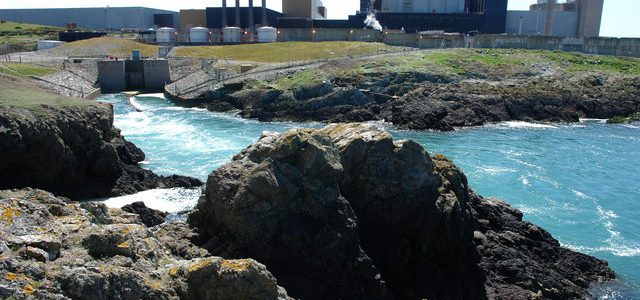

Businesses from across North Wales and the wider nuclear industry have been brought together to explore contracts and employment opportunities associated with the planned Gwyndod small modular reactor development at Wylfa.
More than 400 suppliers attended a two-day conference at Coleg Menai’s Llangefni campus as Great British Energy – Nuclear and Rolls-Royce SMR began preparations to establish the supply chain for the project.
The development is intended to deliver the UK’s first small modular reactors, using a different construction model from traditional large nuclear power stations.
Rather than constructing every major component on site, small modular reactors are designed to use a greater proportion of factory-manufactured components that can be transported and assembled at the power station.
Supporters argue that standardised manufacturing could reduce construction risks, improve cost predictability and create opportunities for businesses beyond the immediate development site.
However, those benefits will depend on the project’s eventual costs, delivery timetable and the ability of British manufacturers to meet the nuclear industry’s demanding technical and safety requirements.
Ambition to secure 70% of project content from UK businesses
Rolls-Royce SMR and Great British Energy – Nuclear say they want 70% of the project’s content to come from UK-based companies.
The developers also expect more than 300 apprenticeships to be supported during construction, with an ambition to fill opportunities locally wherever possible.
These are project ambitions rather than confirmed procurement awards or employment outcomes.
Businesses attending the conference received information about the standards, qualifications and capabilities required to compete for work.
Smaller businesses were also offered guidance on accessing opportunities through the wider supply chain, including meetings with potential buyers.
For Welsh companies, the potential opportunities extend beyond specialist nuclear engineering.
A development of this scale could require construction, civil engineering, electrical systems, logistics, professional services, fabrication and maintenance.
Will North Wales receive a substantial share?
Although the developers have established a UK-wide procurement ambition, that does not guarantee a particular proportion of contracts will be awarded to Welsh companies.
The distinction is significant for Ynys Môn and the wider North Wales economy.
Businesses may need investment in workforce training, quality assurance, certification and equipment before they can qualify for nuclear contracts.
The availability of skilled workers will also influence whether the project delivers lasting employment benefits locally or relies heavily on workers and suppliers from elsewhere.
The Welsh Government has said it wants the project to generate lasting economic value for Wales rather than simply host a nationally important energy facility.
The wider energy question
The proposed reactors form part of the UK’s strategy to increase domestic electricity generation while reducing carbon emissions.
Nuclear power can provide electricity independently of weather conditions, complementing wind and solar generation.
However, nuclear developments also involve substantial capital costs, lengthy regulatory processes, radioactive waste management and long-term decommissioning responsibilities.
These issues will remain important as the Gwyndod project progresses.
For communities around Wylfa, the development raises additional questions about housing, roads, local services, environmental impacts and how residents will be involved in decisions.
Why it matters
The Anglesey supplier event marks a practical step towards establishing the industrial network needed to build the proposed reactors.
But the scale of the economic opportunity for Wales remains uncertain.
The most useful measures of success will be the value of contracts awarded to Welsh businesses, the number of local apprenticeships completed, the proportion of permanent jobs filled by Welsh residents and the lasting industrial capacity created.
Until those outcomes are measured, the projected employment and supply-chain benefits remain ambitions rather than achieved results.